In a bold move aimed at revitalizing the American steel industry, former President Donald Trump has announced that tariffs on imported steel and aluminum will double from the current 25% to 50%, effective Wednesday. The announcement was made during a rally in Pittsburgh, Pennsylvania, a city historically tied to the steel industry.
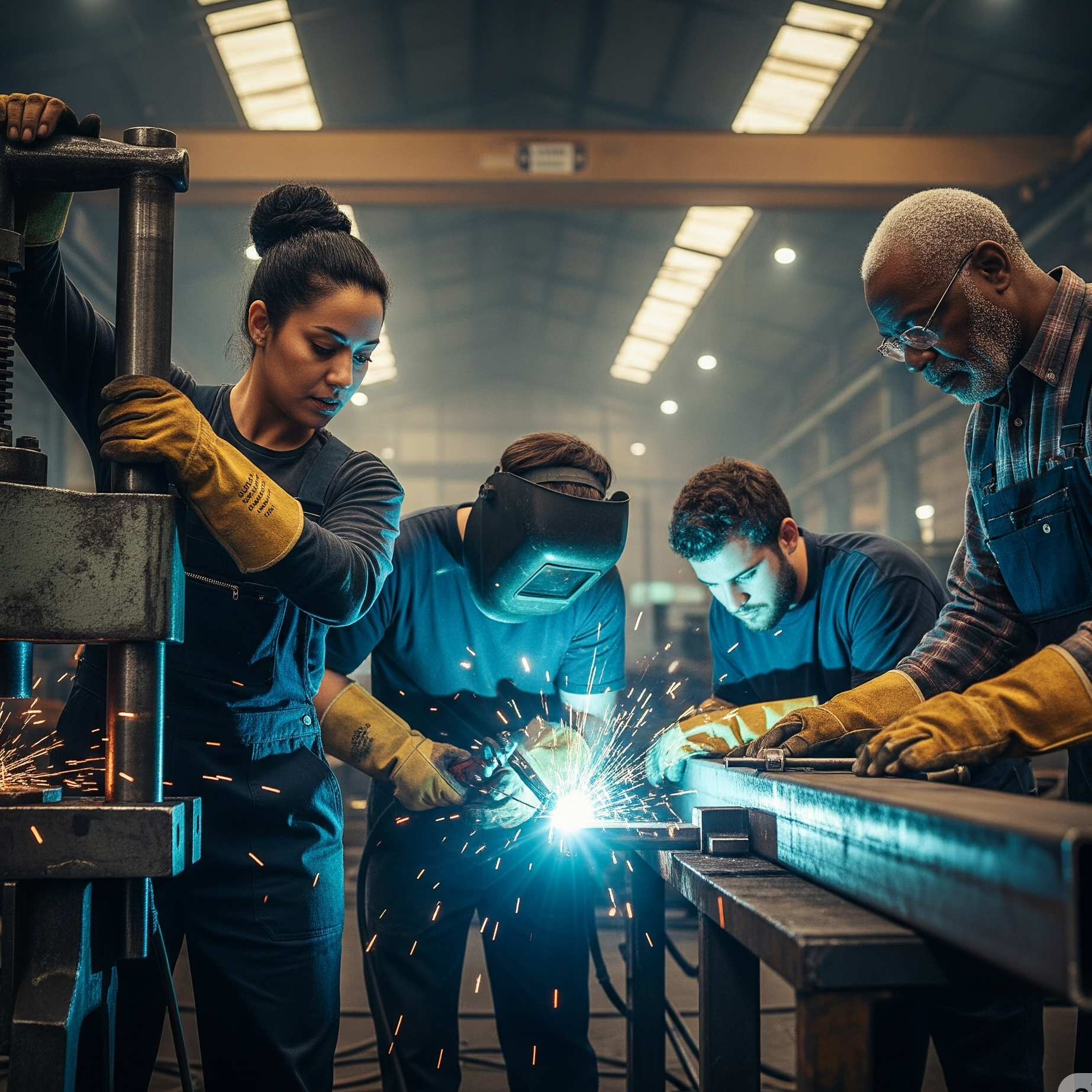
Trump emphasized that the increased tariffs are designed to strengthen domestic production and reduce America’s dependency on countries like China. “We’re bringing back American steel,” he declared to a cheering crowd, which included a significant number of steelworkers.
$14 Billion Investment Deal with Nippon Steel
Trump also revealed plans for a $14 billion investment into U.S. steel operations through a partnership between U.S. Steel and Japan’s Nippon Steel. While the specific terms of the deal remain unconfirmed by either company, the proposed investment is being framed as a major step in revitalizing the industry.
Local union leaders have expressed cautious optimism. JoJo Burgess, a United Steelworkers union member and mayor of Washington, Pennsylvania, praised the announcement. “It’s a win for American manufacturing,” he said, adding that he hoped the deal would lead to more jobs and renewed interest in steel careers among younger generations.
Tariffs and the Global Trade Impact
This development is the latest chapter in Trump’s evolving stance on trade since returning to office. His administration first implemented steel tariffs in 2018, arguing they were necessary for national security. Critics, however, say the policies have fueled trade tensions, particularly with China, the world’s largest steel producer.
The new 50% tariff rate is likely to escalate those tensions. Trump accused China of backtracking on a recent tariff truce, while U.S. Trade Representative Jamieson Greer claimed Beijing had failed to remove certain non-tariff barriers as promised. In response, China called on the U.S. to stop what it described as “discriminatory restrictions.”
Concerns Over Ownership and Future Production
Despite Trump’s assurance that the Nippon Steel partnership will keep U.S. Steel American-owned, questions remain about how the agreement will be structured. Reports suggest that the companies will maintain U.S.-based leadership and grant the U.S. government oversight power, including a veto on production cuts beyond a ten-year period.
Notably, Trump had previously vowed to prevent foreign ownership of U.S. Steel. While the current plan stops short of a full acquisition, its long-term implications are still unclear.
A Boost for Workers—At Least for Now
During the rally, Trump promised that every American steelworker would receive a $5,000 bonus and guaranteed no layoffs or outsourcing. For many in the crowd, this promise was met with enthusiasm.
As the U.S. prepares to roll out the new tariff rates, industries and global markets are bracing for potential ripple effects. While Trump’s strategy may score points with domestic workers and manufacturing advocates, it also raises concerns about strained international relations and the future of global trade.