Tensions between Israel and Iran have entered a dangerous new phase as both nations continue to exchange heavy airstrikes for the ninth consecutive day. The conflict has spilled over into Lebanon and the broader Middle East, raising concerns of a wider regional war.
In one of the most high-profile strikes yet, Israel’s defense minister confirmed that an elite Quds Force commander was killed in a targeted Israeli attack inside Iran’s city of Qom. The commander, a veteran of Iran’s Revolutionary Guards’ overseas operations, was reportedly inside a residential apartment when the strike occurred.
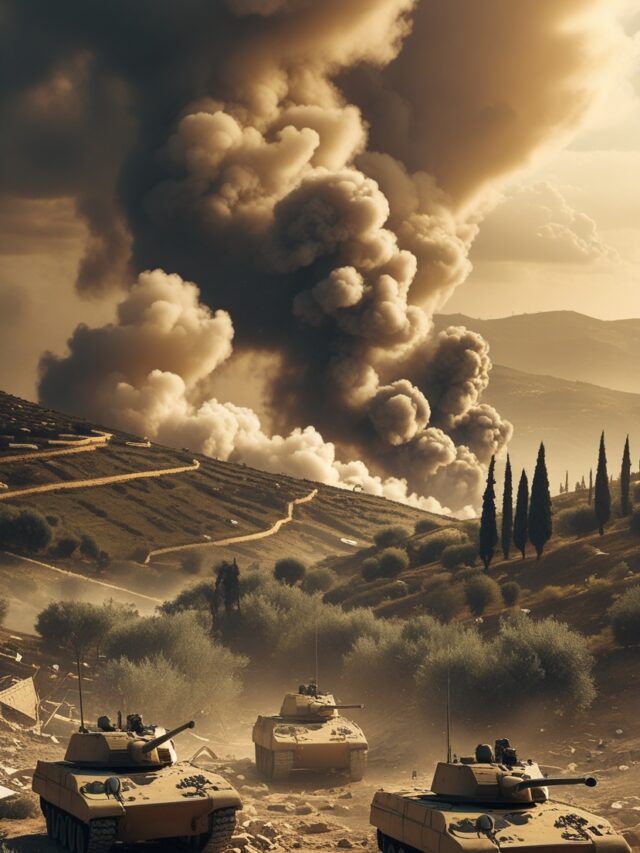
Meanwhile, visuals from southern Lebanon showed thick plumes of smoke rising above the hills after Israeli airstrikes hit Hezbollah positions in the Nabatiyeh region. Israeli forces claimed to have destroyed a “Radwan Force” facility near Naqoura, as part of pre-emptive efforts to prevent Hezbollah from joining the warfront.
The situation has also drawn strong political reactions. Jammu & Kashmir’s Chief Minister Omar Abdullah questioned the basis of Israel’s attack on Iran, pointing out that even recent US intelligence reports stated Iran had no immediate nuclear weapon capabilities. He called for diplomatic dialogue instead of military aggression.
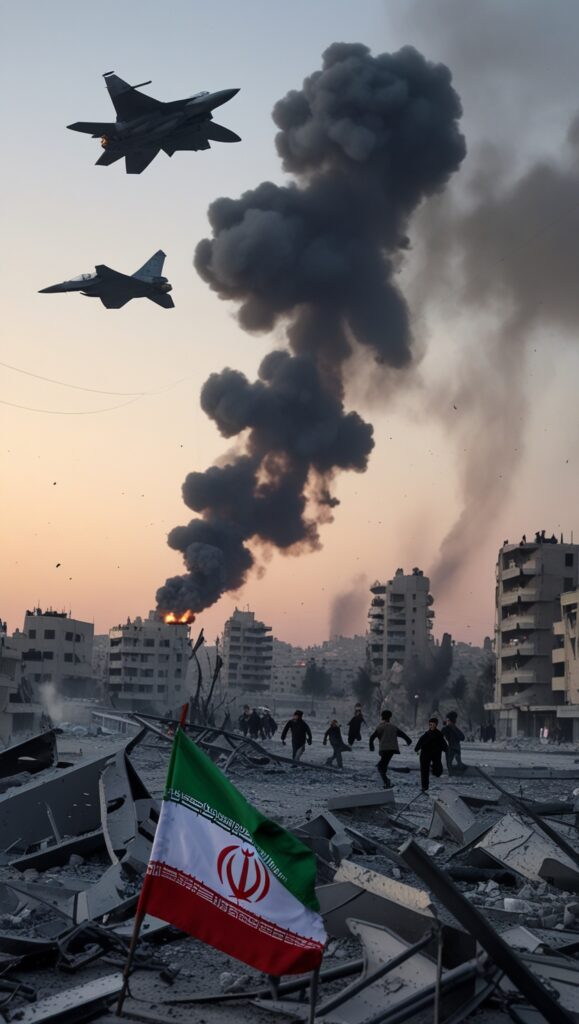
Turkey also issued a statement urging the international community to intervene before the war spirals into a full-scale regional conflict. Iran, on the other hand, issued a stern warning through its foreign minister, saying that any US involvement in the conflict would be “very dangerous for everyone.”
Adding to the tragedy, Iranian state media reported the deaths of nuclear scientist Isar Tabatabai-Qamsheh and his wife in an Israeli airstrike. The killing has intensified fears that Israel is targeting Iran’s nuclear brain trust, following claims that Israeli strikes have already set back Iran’s nuclear program by at least two years.
On the diplomatic front, European and Arab leaders are scrambling to prevent further escalation. Iran’s foreign minister met Arab League counterparts in Istanbul, while Geneva hosted an emergency meeting with European diplomats in hopes of reviving nuclear negotiations. Iran, however, has ruled out any talks involving the U.S. unless Israel ceases its aggression.
India, meanwhile, has begun evacuating its nationals from Iran under Operation Sindhu, citing the rapidly deteriorating security situation. Over 500 Indian citizens have already been brought back safely. The Indian Embassy has also offered assistance to evacuate citizens of Nepal and Sri Lanka upon the request of their governments.
At the same time, Iran’s internal crackdown has escalated. Authorities in Qom province reported that 22 individuals have been arrested for allegedly collaborating with Israeli intelligence. A European national was also reportedly detained for spying, although details remain scarce.
As for the nuclear issue, Iran has stated that no amount of military strikes can destroy its scientific knowledge or technical expertise. The country maintains that its nuclear program is peaceful and not aimed at developing weapons.
On the economic front, rising tensions have caused a surge in global oil prices. However, Indian government advisors believe that the impact on domestic inflation will remain limited for now, owing to India’s strategic reserves and diversified energy sources.
In Washington, President Donald Trump chaired a national security meeting, reportedly discussing contingency plans for potential US involvement. Diplomatic channels remain open, with Qatar acting as a backdoor mediator between Washington and Tehran.
With both military and diplomatic fronts active, the Middle East is on edge. The fear of a full-scale war lingers as world powers tread a delicate line between pressure and peace.
Let me know if you’d like: